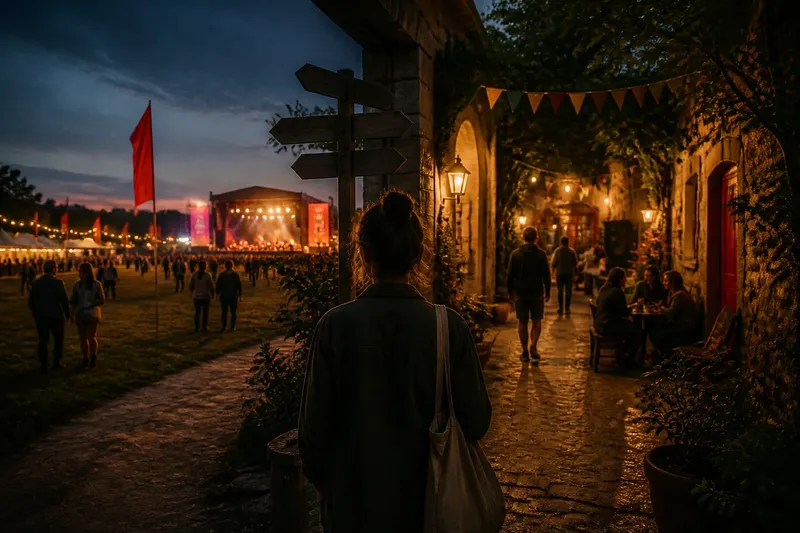
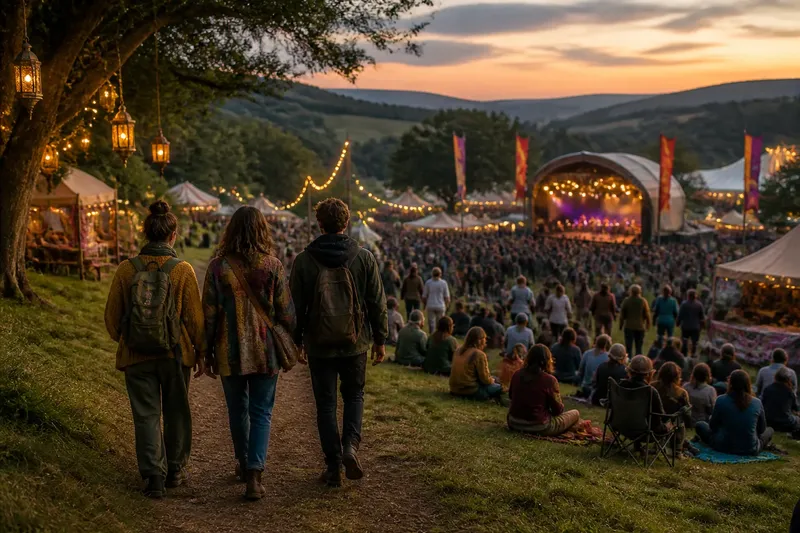
The Festival Programme as a Walk, Not a List
A festival programme can feel like a journey, not a timetable. Shape its sequence with contrast, pauses and clear transitions so each event has room to land.
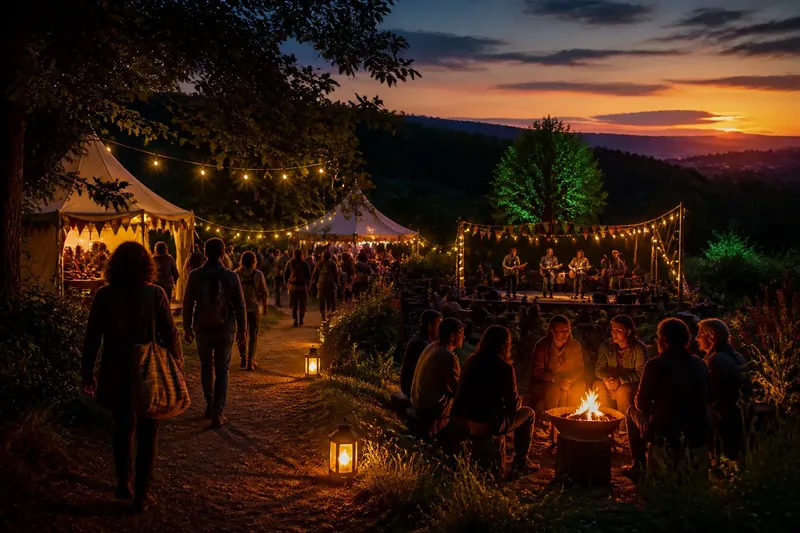
How can a festival programme feel like a walk rather than a list of appointments? The answer lies in the sequence: a lively opening, shifts in pace, pauses that feel intentional and transitions that help one event lead naturally to the next. A well-shaped festival programme gives visitors more than choices; it offers a sense of movement through the day.
Think of the schedule as a path with changing scenery, not a row of identical doors. These decisions can help even a varied line-up feel coherent without forcing every performance, talk or workshop into the same mood.
1. Give the opening a clear point of entry
Visitors often arrive carrying the noise of travel, conversation and practical decisions. An opening event should make it easy to understand the festival’s character without demanding full attention at once. A welcoming performance, a short demonstration or a host’s introduction can establish a mood and show people how the gathering works.
That does not mean the first item must be quiet or explanatory. A vivid musical set can make an equally strong entry point if its length and setting allow late arrivals to settle without disrupting the experience. The useful question is not “What is the biggest event?” but “What helps someone feel oriented?”
Keep essential information close to that opening. A printed programme or noticeboard can show where the next event takes place and whether it begins immediately or after a pause. When visitors can grasp the next move quickly, they are more likely to stay curious about what follows.
2. Arrange events by energy, not just by start time
A timetable can be perfectly chronological and still feel exhausting. Several high-intensity performances in succession may leave little room for attention to reset; a run of similar talks can make distinct subjects blur together. Consider each event’s energy: its volume, pace, audience involvement and emotional weight.
Contrast gives a programme texture. A lively group activity might be followed by a quieter listening session, while a reflective performance could lead into a social event where conversation is welcome. The shift should feel deliberate rather than arbitrary: a lighter item can release tension, while a focused one can draw people in after a busy stretch.
Imagine a small arts festival opening with a hands-on rhythm workshop. The organisers place a seated storytelling performance after it, with a short interval in between; visitors have time to settle, and the change from making sound to listening closely gives both events a distinct place in the day. This invented situation is one way to think about contrast, not a formula every programme must follow.
3. Build breathing room into the sequence
A pause is not empty space in the programme. It lets people find water, speak with a performer, read an installation’s notes or simply decide what they want next. Without breathing room, even an appealing schedule can become a chain of small deadlines.
Look beyond the printed start times when deciding where a pause belongs. A workshop may need time for participants to leave the room, while an outdoor performance may draw a crowd that moves slowly to the next venue. A few minutes between listed events can therefore serve a practical and an emotional purpose: it makes the transition feel like part of the experience.
Pauses also protect choice. Some visitors will stay for every event; others may want to skip one, sit down or return later. A programme with breathing room lets people make those choices without feeling that one missed moment has made the rest impossible to follow.
4. Use transitions to connect different kinds of event
Not every item needs a shared theme, but abrupt changes can make a line-up feel assembled rather than composed. A transition gives visitors a clue about why the next event belongs at this point. That clue might be a short introduction, a recurring performer, a shift from demonstration to participation, or a simple note in the printed schedule.
For instance, a craft session could be followed by a conversation with the maker about the material and its local use. The second event then extends the first without repeating it. A different pairing might move from a spoken-word set to a communal meal, letting the words carry into informal conversation.
Resist explaining every connection. Too much commentary can make the programme feel like a lecture about itself. One clear link is often enough to help people notice a thread while leaving space for their own interpretation.
5. Let recurring elements act as landmarks
A recurring element can help visitors feel where they are in the programme. It might be a short musical interlude, a shared announcement, a participatory gesture or a familiar host returning between sections. Like a lamp beside a path, a small landmark can make a varied route easier to recognise.
Use repetition with care. If the same device appears too often, it can become a routine visitors tune out. Give recurring elements a clear job: welcoming people back after a break, signalling a change in tone, or bringing a day’s separate activities into conversation.
Consistency need not mean sameness. A host might return with a different question each time, or a musical motif might be played in changing arrangements. The familiar element offers orientation, while its variation keeps the gathering alive.
6. Make parallel choices legible
Festivals sometimes place events side by side so visitors can choose between them. This can create useful variety, but only if the choices are understandable. If two events demand similar attention and appeal to the same audience, people may feel they are being asked to sacrifice one for the other.
When parallel sessions are necessary, make their differences visible in the programme. A concise description can say whether an event is participatory or observational, conversational or performance-led, indoors or outdoors. The aim is not to rank the options; it is to help a visitor choose according to mood, interest and available energy.
Consider what happens immediately afterwards, too. If separate events feed into a shared gathering, visitors can compare what they experienced. If there is no common point later, a small note can still make clear that choosing one path does not mean falling out of the festival’s wider story.
7. Close with a landing rather than a hard stop
The final scheduled event carries a particular weight because it shapes how people leave. A loud finale can be right for a celebratory gathering, but a closing conversation, shared song or relaxed performance may suit a festival that has invited reflection. Choose an ending that feels connected to the programme’s character, not merely the largest item left in the schedule.
Give the close enough room to register. A performance followed by an immediate announcement of transport, venue closing or the next event can feel cut short. Clear practical information still matters, but it can sit alongside a deliberate last moment: a brief acknowledgement, an invitation to linger where appropriate, or a visible sign of what happens next.
A strong ending does not need to tie every theme into a neat bow. It can leave visitors with a question, a melody or a conversation to carry away. The programme’s final impression is often shaped as much by that breathing space as by the event itself.
What should a festival programme answer?
How do you keep a festival schedule from feeling crowded?
Leave realistic gaps between events and account for the time people need to move, settle and make choices. A schedule that permits a pause can feel fuller in experience than one that fills every available moment.
Should a festival programme follow one theme?
Not necessarily. A shared theme can help connect events, but pacing, recurring elements and thoughtful transitions can also create coherence across different subjects and styles.
How can a programme help visitors choose between simultaneous events?
Describe the experience each event offers, including its format and level of participation. Clear distinctions help visitors choose what suits them without suggesting that one option is the correct one.
What belongs at the beginning and end of a festival day?
Choose an opening that makes the gathering easy to enter and a closing that reflects its tone. The opening can orient people; the ending can give them a moment to register the experience before leaving.
When shaping a festival programme, imagine the visitor’s attention as well as the clock: where it gathers, where it needs a rest and what might make it turn towards the next event. That is how a programme becomes a walk—not because everyone follows one route, but because each choice has a place in a larger, welcoming journey.